Physiotherapy for Kids: Signs Your Child's Growing Pain Needs Professional Attention
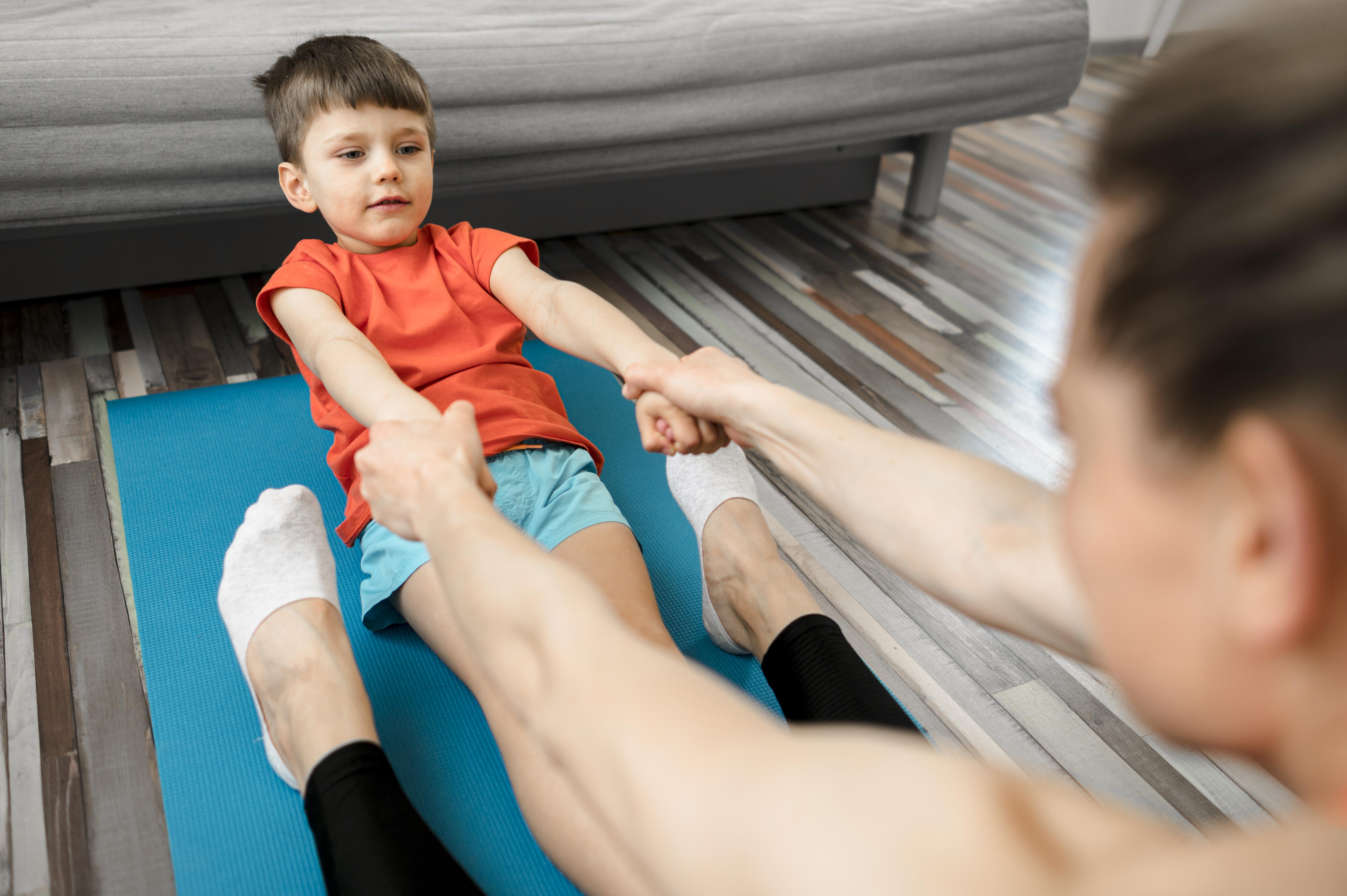
Every parent has heard it: a child complaining of leg pain at bedtime, unable to clearly explain where it hurts. Most of the time, it passes by morning. But sometimes, the pain keeps coming back — and that's when it's worth paying closer attention.
Growing pain is real and very common in children between the ages of 3 and 12. It is generally harmless, often linked to the physical demands of an active day rather than actual bone growth, and resolves on its own.
But not every pain in a growing child deserves to be dismissed as "just a phase." Many parents bring children to Physio Active after months of assuming the pain would pass, only to discover it was something that could have been addressed much earlier with the right intervention.
What Normal Growing Pain Looks Like
Typical growing pain tends to follow a recognisable pattern: it appears in the late afternoon or evening, affects both legs symmetrically (usually the calves, thighs or behind the knees) and is gone by morning. The child is perfectly fine during the day, runs and plays normally and shows no swelling or redness. A gentle massage or warm compress usually brings relief.
If your child's pain fits this description, chances are it is routine and nothing to worry about. But if any of the following signs are present, it's worth speaking to a physiotherapist.
Signs That Need Professional Attention
- Pain present during the day, especially during or after activity
- Pain in one leg or localised to a specific joint like the knee, ankle or hip
- Visible swelling, warmth or redness around a joint
- Limping, altered gait or avoiding activities
- Pain that wakes the child from sleep consistently
- Pain with fever, fatigue or unexplained weight loss
These signs can point to conditions like Sever's disease (heel pain common in active children), Osgood-Schlatter disease (knee pain during growth spurts), flat feet causing gait issues, early-onset postural problems or, in rarer cases, something that warrants a medical referral.
PhysioActive Tip: If your child complains of pain more than twice a week, or if the pain is affecting their participation in school, sports or playtime, don't wait. Early assessment is always easier than late correction.
How Physiotherapy Helps Children
Paediatric physiotherapy is gentle, specific and built for children.
At Physio Active, assessments for children involve observing how they walk, run and move, as well as assessing posture, joint alignment, muscle strength and flexibility. Most children actually enjoy the sessions because they involve movement-based exercises that feel more like games than treatment.
For conditions like flat feet or knee pain during growth spurts, simple targeted exercises and footwear guidance can make a significant difference within weeks. For postural issues caught early, the correction is far easier than dealing with the same issue in adulthood.
A Note for Parents
With children spending more time in school, at coaching classes and on devices, we're seeing an increase in posture-related complaints and overuse injuries in kids as young as 8.
This is about awareness and precaution. A 30-minute assessment can tell you whether what your child is experiencing is routine, needs monitoring or needs treatment.
Not sure if your child's pain is normal? Book a paediatric assessment at Physio Active today and get a clear answer.
Related Services

Sports Injury Rehabilitation
Performance-based recovery for athletes and active individuals.
Spine Physiotherapy
Treatment for neck pain, back pain, disc issues and posture-related problems.
Knee & Ankle Physiotherapy
Rehabilitation for ligament injuries, sprains, arthritis and mobility issues.
Shoulder Physiotherapy
Relief for rotator cuff injuries, frozen shoulder and overhead pain.

Post-Operative Physiotherapy
Structured rehab after ACL, joint replacement and other surgeries.
Posture & Foot Scan Analysis
Digital posture analysis and customised foot scan assessments.

Tele-Rehabilitation
Online physiotherapy sessions with guided exercises and progress tracking.
Dry Needling
Targeted muscle pain relief using fine needles for trigger point therapy.